

 Back to Madeira Insider
Food & Wine
Taste Madeira: 10 traditional dishes you must try
Honest, generous food made from what the island gives.
Madeiran cooking is honest, generous and made from what the island provides: meat roasted on bay laurel that grows in the hills, fish from the Atlantic deep, maize, sugar cane and fruit that exists nowhere else. These are the ten dishes that tell the story, and the right addresses rarely have white tablecloths.
In short
Madeiran cooking is honest, generous and made from what the island provides: meat roasted on bay laurel that grows in the hills, fish from the Atlantic deep, maize, sugar cane and fruit that exists nowhere else. These are the ten dishes that tell the story, and the right addresses rarely have white tablecloths.
The ten essentials
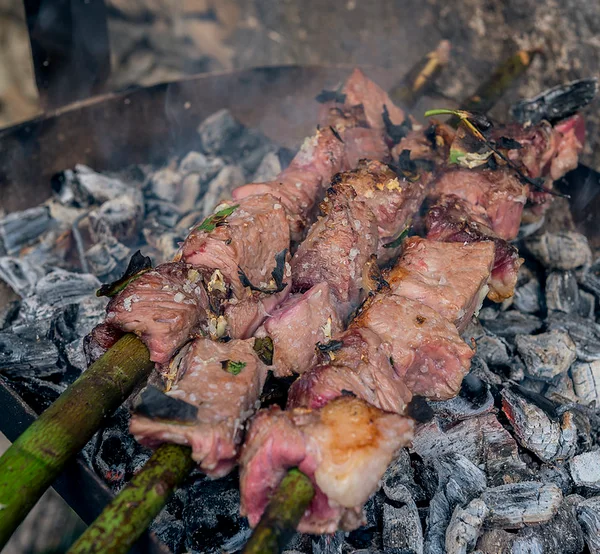
- Espetada on a bay laurel skewer. Cubes of beef on laurel branches, grilled over embers and hung at the table, dripping. The flagship dish, born at the village festivals; Câmara de Lobos and Estreito are its classic territory.
- Bolo do caco. Flat sweet-potato bread, baked on stone and spread with melting garlic butter. It reaches the table before everything else and disappears before everything else.
- Grilled limpets. Served sizzling in an iron pan with garlic and butter, sealed with a squeeze of lemon. The starter that tastes of the tide.
- Black scabbardfish with banana. The deep-sea fish (only caught here and in Japan, the fishermen like to say) fried and crowned with island banana. It sounds strange, you try it once, you order it forever.
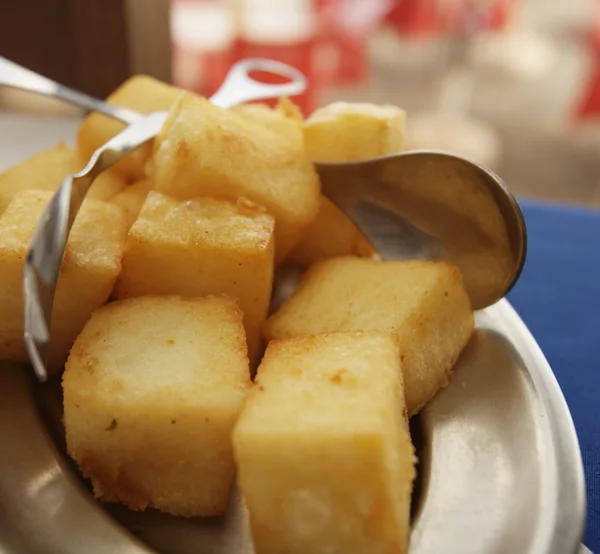
- Milho frito. Golden cubes of maize cooked with cabbage, fried until they crackle. The side dish that steals the show from the meat.
- Picado. Cubed beef in sauce under a mountain of chips, everyone around the table picking with cocktail sticks. It is not a dish, it is an event.
- Tuna steak with milho frito. The classic of the casas de pasto, with the tuna either escabeche-style or simply grilled.
- Carne de vinha d'alhos. Pork marinated in wine, garlic and bay, fried early in the morning. It is the smell of Madeiran Christmas, and the sandwiches made from it at December festivities are emotional heritage.
- Sopa de trigo. The comfort of the hills: wheat, vegetables, meats. Proof that Madeiran cooking is also mountain cooking.
- Bolo de mel de cana. Dark, dense, spiced, made with the honey of the sugar cane that built the island's first fortune. By tradition, it is broken by hand, never cut with a knife.
And to drink
Poncha (sugar cane spirit, honey and lemon, beaten with a wooden caralhinho) is the island's liquid institution. The original is lemon; tangerine and "fisherman's" came later. Add nikita (the sweet mix of ice cream and pineapple that divides families), passion fruit brisa and Coral beer, and the table is complete.
Where to eat like a local
The insider rule: follow the noise and the hot grill. The village casas de pasto, the counters of the Mercado dos Lavradores at lunchtime, the grill houses of Estreito de Câmara de Lobos for espetada, and, in July, August and September, the arraiais, the summer village festivals where the food is cooked in stalls by local families. That is where Madeiran cooking lives in its natural habitat.
Quick table etiquette
The bolo do caco and the starters that arrive "on the house" do appear on the bill. Eat without guilt, but know. Espetada is shared from the hanging skewer, picado is eaten from the communal plate, and refusing an offered poncha is possible but requires diplomacy.
Frequently asked questions
I am vegetarian. Will I survive?
Yes, and increasingly well: milho frito, bolo do caco, the festival of fruit at the market (custard apple, pitanga, banana passionfruit) and a new generation of restaurants in Funchal. At village festivals and traditional casas de pasto, the options shrink.
Is black scabbardfish safe or strange?
It is only ugly before it is cooked. On the plate it is delicate, white and mild. The banana is not a tourist joke: it is how Madeirans eat it.
How much does eating well cost?
At a casa de pasto, a generous lunch often costs less than you imagine, and a full espetada for two is one of the best price-to-memory ratios in Europe.
Want to taste all of this with someone who knows the addresses? Our gastronomy and wine experience takes you from the market to the right casa de pasto, with room at the end for the bolo de mel.
See Gastronomy & Wine