

 Back to Madeira Insider
Wellness & Sustainability
Sustainable travel in Madeira: how to be a responsible visitor
What changed, why, and what actually makes a difference.
Being a responsible visitor in Madeira in 2026 comes down to three things: booking and paying for trail access, respecting the signage, and spending locally. The rest is common sense with a sea view.
In short
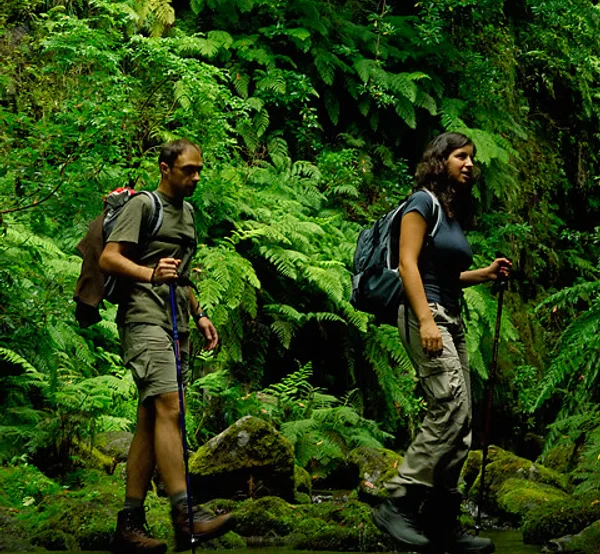
Being a responsible visitor in Madeira in 2026 comes down to three things: booking and paying for trail access (the money goes back into conservation), respecting the signage (closed trails are closed for good reasons), and spending locally, from licensed operators to village shops. The rest is common sense with a sea view.
What the region is doing, and why
Madeira lives a happy paradox: the nature that attracts record numbers of visitors is fragile, and its own success was threatening the attraction. The response has been concrete. Access to the main trails now requires a booking and a fee, and that revenue is reinvested in maintenance, conservation and ranger patrols. Six of the most sought-after natural areas, Pico do Arieiro, Fanal, Rabaçal, Queimadas, Ribeiro Frio and Ponta de São Lourenço, are now managed as parks with limited capacity. The destination also works with international sustainability certification, with a declared ambition to move up a level in the coming years.
For the visitor, the right reading is not “more bureaucracy”. It is “my ticket is paying for the trail I am walking on”.
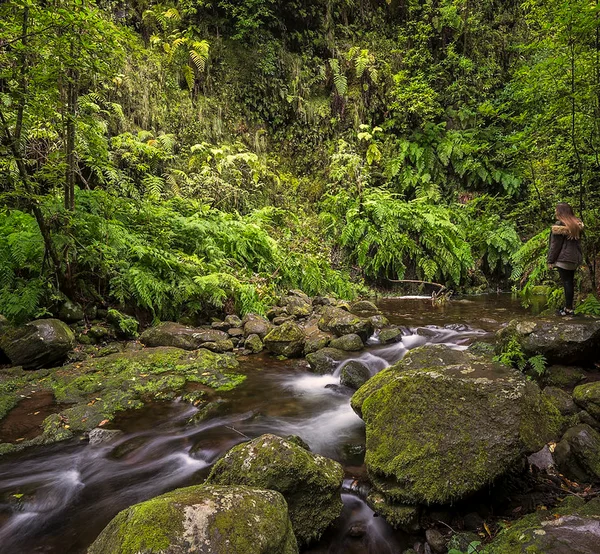
The Fanal case: when loving too much does harm
The Fanal forest, with its centuries-old laurel trees wrapped in fog, went viral on social media, and the roots of those trees paid the price of thousands of footsteps off the path. The result was fencing the area and introducing controlled entry. It is the lesson of modern tourism in miniature: magical places do not survive mass attention without rules, and the rules exist so that your grandchild sees the same fog between the same trees.
Eight actions with real impact
- Book your trail and pay the fee. You are literally funding conservation.
- Never enter a closed trail. They close for landslides or weather, and every avoidable rescue diverts resources away from protecting nature.
- Stay on the marked paths. In the Laurissilva, every shortcut treads on an ecosystem millions of years old.
- Choose licensed operators. They follow capacity rules, wildlife approach rules, and they employ local guides.
- Take your rubbish back with you. There are no bins on the trails, and that is deliberate.
- Save water. The island of the levadas knows the value of every drop; the levadas exist because water was never guaranteed.
- Spend where people live. The poncha at the village bar, the fruit from the market, lunch at a casa de pasto: that is how tourism money reaches the people who look after the island.
- At sea, distance and respect. Whale watching with operators who observe the legal distances, and sunscreen that does not harm the ocean.
The uncomfortable question: “shouldn’t you just not come?”
It is a fair question, and the honest answer is: well-managed tourism is today the main funder of Madeiran conservation and the livelihood of thousands of families. The problem was never the visitor, it was the visitor without rules. Coming outside the August peak, sleeping more nights in one place instead of hopping between islands, and choosing small-group experiences is worth more than any symbolic gesture.
Frequently asked questions
Is the trail fee expensive?
It is symbolic against the real cost of maintaining paths carved into a mountain, and the money goes back into that maintenance. Check the current amount and rules when you book, because they have been evolving.
Can I fly a drone?
In protected areas, only with authorisation, and there are nesting zones where it is absolutely prohibited. Find out beforehand: the fines are real and so is the disturbance to wildlife.
How do I know if an operator is licensed?
Ask. The serious ones are proud to show you. Registration and insurance are the minimum; knowing the rules of each reserve is what separates the best.
Sustainability is not a chapter on our website, it is our condition of existence. Every DMC Madeira experience operates with full licensing, limited group sizes and local guides.
See Sustainability