

 Back to Madeira Insider
Food & Wine
Madeira wine: the toast that shaped history
The most indestructible wine in the world, born from an accident.
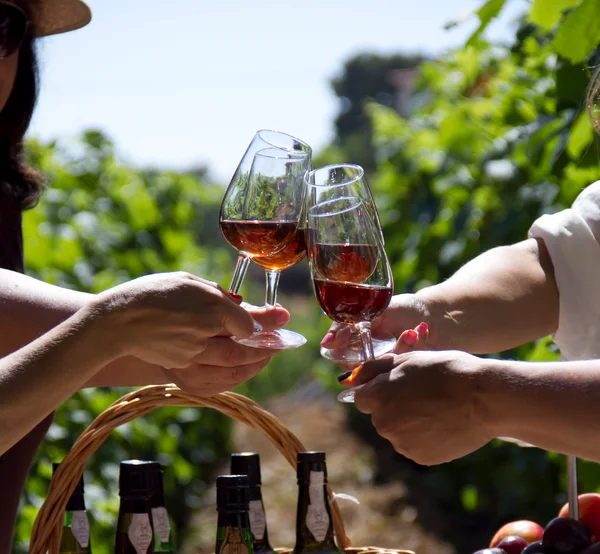
Madeira wine is the most indestructible wine in the world: fortified, heated and deliberately oxidised, capable of lasting for centuries after opening. It was born from an accident on the sea routes, it toasted American independence, and today it is tasted a ten-minute walk from Funchal's cruise quay. If you only have time for one cultural experience on the island, make it a glass with history inside it.
In short
Madeira wine is the most indestructible wine in the world: fortified, heated and deliberately oxidised, capable of lasting for centuries after opening. It was born from an accident on the sea routes, it toasted American independence, and today it is tasted a ten-minute walk from Funchal's cruise quay. If you only have time for one cultural experience on the island, make it a glass with history inside it.
A happy accident on the India routes
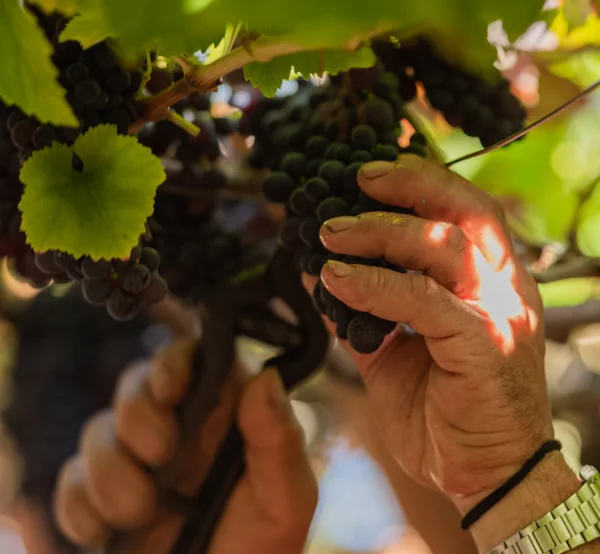
In the eighteenth century, barrels of Madeiran wine travelled in the holds of ships as ballast and cargo on the long routes to the Indies and the Americas. They crossed the tropics twice, slowly cooking in the heat and the roll of the sea, and against all expectation they arrived better than they had left. The vinho da roda, as it became known, grew so sought after that producers began imitating the voyage on land. That gave rise to estufagem (controlled heating in vats) and canteiro (slow ageing in casks under the warm roofs of the lodges), the two methods that still define Madeira today.
The toast of 1776
Madeira wine was the favourite of the American colonial elite, because it survived the Atlantic crossing when almost nothing else did. The story goes that the founding fathers toasted the Declaration of Independence in 1776 with Madeira, and the island's wine flowed through the celebrations of the young republic. Few European products can claim such a literal place in the founding of the United States, and it is a story that always lands well at the table.
The grapes: from aperitif to dessert
The easiest way to navigate a Madeira list is to know that the four noble grapes form a scale from dry to sweet.
| Grape | Profile | When to drink |
|---|---|---|
| Sercial | Driest, nervy, citrus | Aperitif, chilled; shines with smoked fish |
| Verdelho | Medium-dry, smoky, balanced | Aperitif, or with soups and mild cheeses |
| Bual | Medium-sweet, caramel and dried fruit | Dessert; pairs with aged cheeses |
| Malvasia | Sweetest, opulent, eternal | Dessert, or as dessert |
The fifth character is Tinta Negra, the island's most planted grape, versatile and the base of most 3 and 5 year blends. It is the perfect entry point for a first taste. On labels, the age (5, 10, 15 years, Colheita, Frasqueira) indicates increasing depth; a single-vintage Frasqueira is time travel in a bottle.
How to taste it like a local
The historic lodges in Funchal welcome visitors year-round for guided tastings among centuries-old casks, the classic and reliable experience. Two insider notes: first, do not confuse Madeira with poncha (the popular drink of sugar cane spirit, honey and lemon, another institution and another article); second, if you visit between late August and early September, the Wine Festival fills Funchal and the vineyard areas with harvests, grape treading and village celebrations. And a buying tip: an opened bottle of Madeira lasts months, even years. It is the most rational souvenir the island sells.
Frequently asked questions
Is Madeira wine the same as Port?
No. Both are Portuguese fortified wines, but Madeira is distinguished by the deliberate heating and oxidation, which give it its unique profile and its immortality once opened.
Do I need to like sweet wine?
No. Sercial and Verdelho are dry or nearly so. Many visitors discover that the "Madeira" they imagined was only a quarter of the story.
How much does a tasting cost?
From simple tastings of a few euros at the Funchal lodges to private experiences with rare Frasqueiras. There is a Madeira for every starting point.
Can I take bottles on the plane?
In hold luggage, yes, well protected. Many lodges also ship directly to your home.
To go beyond the tasting counter: our private wine tourism opens the doors of lodges and estates that are not on the usual route, with the right glass, the right story, and a guide who grew up among it.
See Private Wine Tourism