

 Back to Madeira Insider
Nature & Wildlife
Are there dangerous animals in Madeira?
The short answer is no. The longer answer is more interesting.
Essentially, no. Madeira has no snakes, no dangerous scorpions, and no wild mammals that pose a threat. It is honestly one of the safest nature destinations in the world where fauna is concerned. The only real precautions are in the sea (sea urchins on the rocks and, occasionally, Portuguese man o' war) and summer mosquitoes, which are a nuisance rather than a danger.
In short
Essentially, no. Madeira has no snakes, no dangerous scorpions, and no wild mammals that pose a threat. It is honestly one of the safest nature destinations in the world where fauna is concerned. The only real precautions are in the sea (sea urchins on the rocks and, occasionally, Portuguese man o' war) and summer mosquitoes, which are a nuisance rather than a danger.
On land: it is hard to be safer
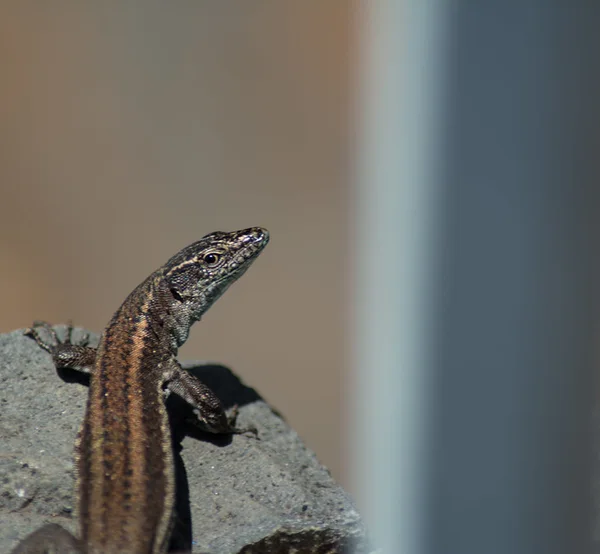
As an oceanic island that was never connected to a continent, Madeira simply never had snakes. The most searched question has the shortest answer. There are also no wolves, bears, foxes or wild boar. The largest wild land animals you will meet are birds, rabbits and the friendly endemic lizards sunning themselves on every wall on the island. Wasps and bees exist as they do everywhere; anyone with severe allergies should bring their usual medication, as they would for any destination.
In the sea: the precautions worth knowing
The Atlantic deserves respect, but more for its currents than its wildlife.
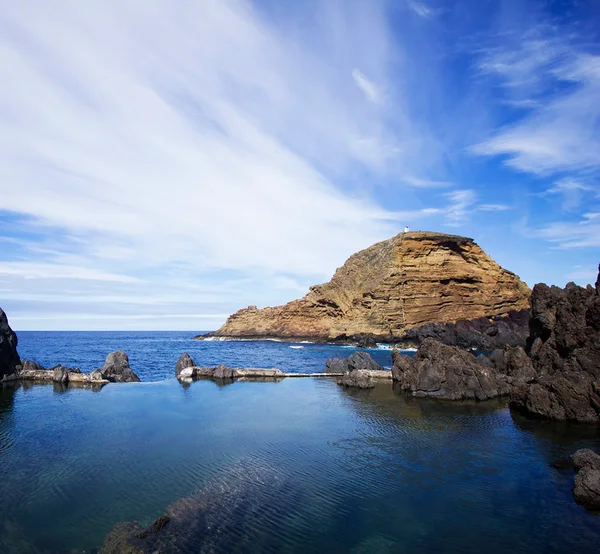
Sea urchins live on the rocks and pebbles, and are the number one reason for water shoes in the natural pools.
Portuguese man o' war appear occasionally, brought in by wind and currents. They are easy to identify (a blue-purple "sail" on the surface) and lifeguarded beaches flag their presence. If you see one, do not touch it, including the ones on the sand.
Sharks? Oceanic species exist in the deep water around the archipelago, as across the Atlantic, but encounters near the coast are extremely rare and there is no history of incidents with bathers. It is not something Madeirans think about when they go swimming, and we are a people of the sea.
The real maritime safety advice is different: respect the flags, the currents and the swell on the north coast.
Mosquitoes: the honest nuisance
There are mosquitoes in Madeira, most active in summer and at the end of the day on the south coast. The island learned to take them seriously (there was a dengue outbreak in 2012, controlled since then with continuous monitoring) and the practical advice for visitors comes down to one word: repellent. Apply it in the late afternoon, close the balcony screen, and get on with your holiday.
The wildlife you will want to find
This is the good part. The waters around Madeira host more than twenty species of whales and dolphins across the year. The Desertas Islands are home to one of the world's most precious colonies of Mediterranean monk seal, one of the rarest seals on the planet. In the mountains nests Zino's petrel, one of Europe's most threatened seabirds. And for record enthusiasts: the Desertas host Hogna ingens, the largest wolf spider in the world, endemic to a single valley, protected, and never encountered by an ordinary visitor.
Madeira's real "danger" has another name
If you are looking for the island's actual risk, do not look at the fauna, look at the terrain. Ravines, wet stone and rapid weather changes at altitude are what keep the rescue teams busy, not animals. It is more worthwhile reading our trail safety guide than worrying about creatures that do not exist here.
Frequently asked questions
Are there snakes in Madeira?
No. There have never been wild snake populations on the island.
Can I swim freely?
Yes, in lifeguarded areas and respecting the flags. Water shoes protect against urchins on rocky stretches.
Do I need special vaccinations?
No. Madeira is Portugal, with the same public health standards as mainland Europe.
And jellyfish?
They are infrequent. The Portuguese man o' war (which is technically not a jellyfish) appears sporadically and is flagged on lifeguarded beaches.
Want to meet the wildlife the right way? Our sea and birdwatching experiences take you to whales, dolphins and rare birds, with licensed operators and respectful distances.
See Madeira by Sea